
The Allure of Casino Games
Casino games have captivated players for centuries, drawing them in with the promise of excitement and potential rewards. The allure of wining big often overshadows the inherent risks involved. This psychological draw is rooted in various factors, including the thrill of uncertainty and the desire for escapism. The unpredictability of games like slot machines or roulette creates a rush that many players find irresistible, as each spin or card dealt can lead to significant financial gains. Moreover, for those interested in expanding their options, the latest nfl betting promotions can add another layer of excitement to the betting experience.
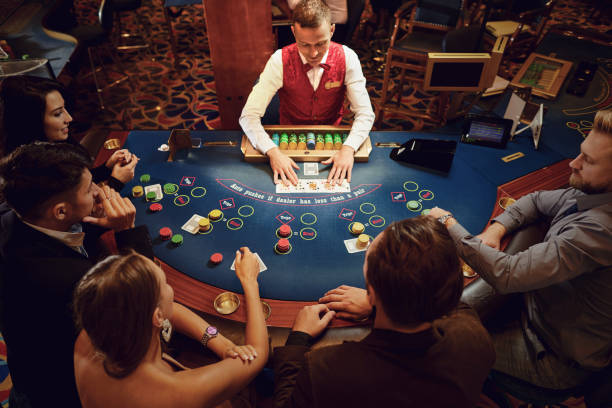
Moreover, the ambiance of a casino plays a crucial role in enhancing this allure. Bright lights, vibrant sounds, and the excitement of fellow players foster an environment that stimulates emotions. This sensory overload can amplify the psychological effects of gambling, making players more likely to immerse themselves in the experience and potentially lose track of time and money.
The Role of Cognitive Biases
Cognitive biases significantly influence player behavior in casinos. One of the most notable biases is the illusion of control, where players believe they can influence the outcome of a game through their skills or strategies. This belief can lead to increased gambling, as players may chase their losses, convinced that a win is just around the corner. Such biases can create a cycle of gambling that is hard to break, as players become increasingly detached from the reality of their situation.
Similarly, the gambler’s fallacy—a belief that past outcomes can affect future events—can also lead to irrational betting decisions. For example, a player may think that a particular slot machine is “due” for a payout after a long streak of losses. Understanding these cognitive biases is essential for both players and casinos, as they highlight the psychological traps that can lead to excessive gambling and financial loss.
The Impact of Emotion on Gambling Choices
Emotions play a pivotal role in gambling behavior, often dictating the decisions players make while at the casino. Excitement and adrenaline can drive players to continue betting, even when they’re at a loss. This emotional high can cloud judgment, leading to impulsive choices that prioritize immediate gratification over long-term consequences. For many, the joy of a win, no matter how small, can trigger a release of dopamine, further reinforcing the desire to keep playing.
Conversely, negative emotions such as stress or anxiety can lead to different gambling behaviors. Players may gamble to escape their feelings or to cope with life’s pressures, which can be problematic. This emotional connection to gambling underscores the importance of recognizing one’s mental health and the potential risks associated with using gambling as a primary coping mechanism.
The Social Aspect of Casino Gaming
Casinos are inherently social environments where players often interact with one another, creating a sense of community. This social dynamic can enhance the enjoyment of games and encourage participation. Players may feel a stronger urge to engage when surrounded by others who share similar interests, thus amplifying the thrill of the experience. This socialization contributes to a sense of belonging, which can be particularly appealing in a fast-paced, high-stakes environment like a casino.
However, this social aspect can also have implications for responsible gambling. Group dynamics can influence individuals to bet beyond their means, as the desire to fit in or impress peers can lead to reckless decisions. Understanding the impact of social influences is essential for promoting healthier gambling practices and ensuring that players are aware of the potential consequences of their actions.
Enhancing Your Gambling Experience Responsibly
As the excitement of casino games can easily draw players in, it is vital to approach gambling with mindfulness and responsibility. Recognizing the psychological aspects at play can help players make informed decisions about their gaming habits. Setting limits on time and money spent at the casino can mitigate the risks associated with excessive gambling and ensure a more enjoyable experience overall.
For those looking to enhance their gambling experience while remaining mindful of their behaviors, it is imperative to seek educational resources and support networks. Engaging with platforms dedicated to responsible gambling can provide valuable insights and strategies for maintaining a balanced approach to gaming, thus ensuring a more sustainable relationship with gambling.